Comprehensive Background Check: Meaning, Includes & Why It Matters

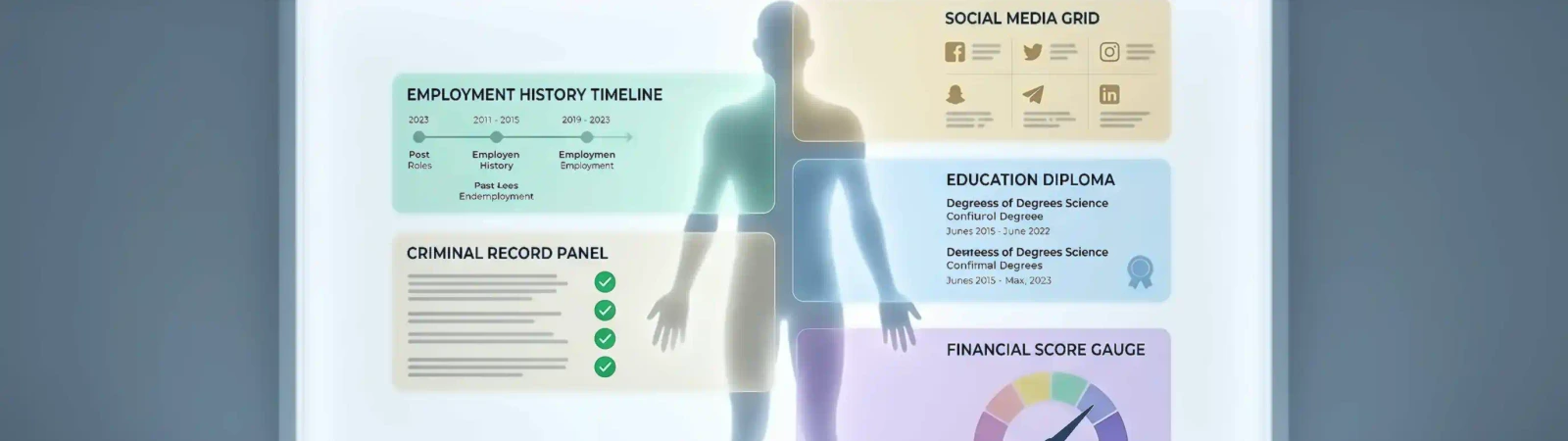
It is common in professional contexts to look up more details about a person before establishing any professional relationships. People search helps collect and organize publicly available identity information around a known person or identifier. A background check is typically a broader, purpose-specific process that may include additional verification, regulated data sources, or human investigation. Minos Profiler automatically connects information from multiple public and commercial sources.
What Is a Comprehensive Background Check?
To put it simply, a full background check is an investigation into a person’s past to make sure they are fit for a specific industry or position. The goal is to create an all-encompassing profile with all the info that can be important in a professional setting.
What Does a Comprehensive Background Check Include?
Normally, a comprehensive background check includes such components as:
- Public Records Search. This research involves checking openly available government records such as property ownership records. Also, this method helps to verify the real identity of the person to prevent hiring a candidate who lies about their name, age, nationality, and more.
- Employment Verification. It is common for fraudulent candidates to embellish their work experience or lie about their past job history. That’s why comprehensive checks are useful to make sure a person provided candid info about the companies they worked for, their responsibilities, performance results, employment timeframe, etc.
- Legal Background Check. In some domains like law enforcement, education, finance, or healthcare, all staff should have a clean legal track record. A criminal history lookup is essential to minimize the chances of fraud, workplace harassment, embezzlement, and other crimes.
- Credit History Lookup. In the US, if the person aspires to work in accounting, finance, or banking, a candidate should have a proven history of being able to manage assets. An in-depth background check will reveal whether a person has outstanding debts, bankruptcies, and suspicious payment history.
- Reference Verification. Sometimes, people can forge references to strengthen their resumes and heighten their chances of being hired. It is essential to verify the reference letters to make sure they have not lied about past work experience and character assessment.
Why Is a Comprehensive Background Check Important?
So, why does your company need a comprehensive background screening? Because this procedure may allow averting risks related to hiring unreliable candidates, such as:
- You can save up on legal fees or lengthy court cases if a fraudulent person misbehaves or commits crimes at work.
- You can reduce turnover by hiring only well-qualified candidates.
- You keep your staff and clients safe since only trustworthy people are hired.
- You avoid penalties for non-compliance with regulations in sensitive fields like healthcare, law, education, etc.
- You will prevent reputational and image losses to the company.
How to Conduct a Comprehensive Background Check?
Minos Profiler searches across 250+ public and commercial data sources. Start with a name, phone number, email address, username, or social profile, and it builds one structured Search Profile with available aliases, contact records, digital footprint, professional background, and connections. Results should be reviewed in the context of the case.
The Bottom Line
Now you know the many types of background checks and can select the methods that suit your company best. The main caveat is to not discriminate against people based on factors not related to their professional lives. Run these checks only with the person’s consent and in line with the law that applies to you, such as FCRA in the US or GDPR in the EU.


This Signal Sits Inside the Minos Workflow
Watch
Detects relevant activity across configured sources and preserves the original evidence.
Explore →Risk
Assesses how serious the signal is and identifies what requires attention first.
Explore →Investigate
Uses Minos Profiler to quickly build a structured identity and risk profile from a known identifier.
Explore →Research
Adds analyst-led investigation when the available information is not enough to answer the wider question.
Explore →Response
Coordinates response plans with clear ownership, timing, and execution tracking.
Explore →See what Minos surfaces in your own information space
A 30-minute briefing on your own risk landscape — no slides, real data.