Background Check Before an Offer: How It Affects Your Job Application

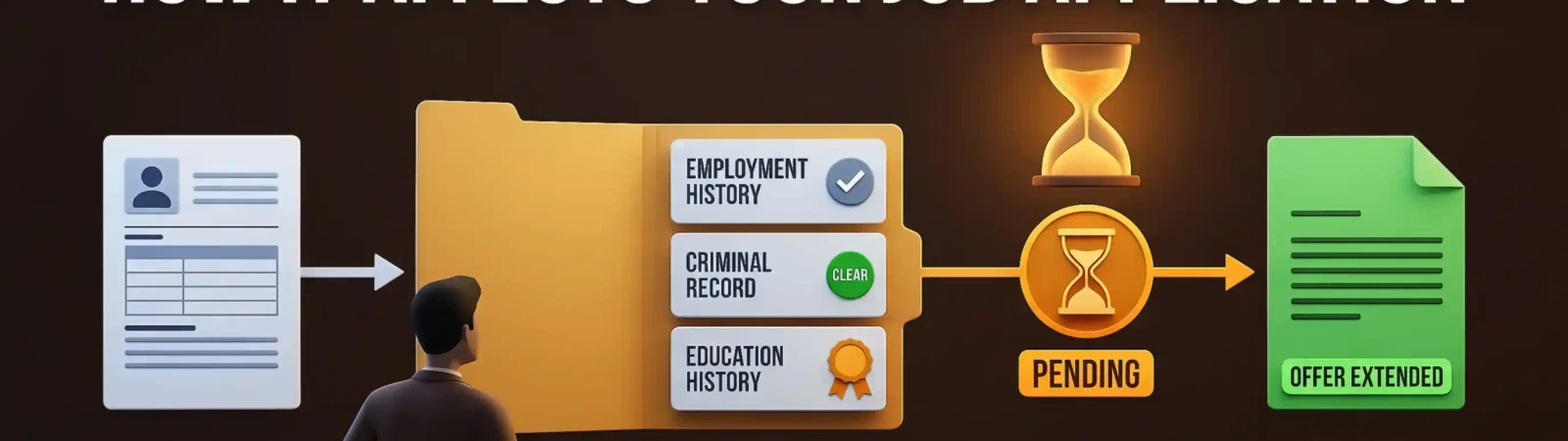
A background check before a job offer is a common step for many companies now. That’s how businesses make sure they hire a person with real credentials and job experience that match their claims from a CV. Discover the advantages and disadvantages of doing background checks with insights from Molfar and Minos.
What Is Background Check Before an Offer?
It is a safety measure to protect the company from hiring a fraudulent candidate. Before hiring a candidate, it is both legal and common for many employers to check out an applicant’s information. Background checks serve as a risk-reduction process to make sure that untrustworthy people don’t get into the organization. You should know what employers look for in your background report:
- Legal name, documents, federal registers, etc.
- Employment and education history checks
- Criminal record checks
- Social media footprint checks
- Reference validation
Is It Better to Do a Background Check Before or After an Offer?
There are two main types of background checks: pre- and post-employment ones. Many employers run the check after a conditional offer, and some jurisdictions require it, so confirm the local rules. If the organization commits to adopting this procedure, a widespread problem is deciding when to do it. A pre-employment screening is much more common since it helps to cut off sketchy candidates early on. However, a post-employment screening allows companies to save resources since they have to do checks only on one person who ultimately was hired or on current company employees. However, with this approach ill-intended people can harm the firm from the inside before the check is done.
Pros and Cons of a Background Check Before an Offer
You may wonder, is it sound to do a background check before offer? Let’s unpack the advantages and disadvantages of having such a company rule.
Pros
- It’s a means to boost the security of the organization.
- Checks save time and resources as you don’t waste assets on onboarding a fraudulent candidate.
- The company manages to hire only the strongest professionals who can help the firm grow.
- The organization can protect its reputation. For example, you can reveal that a candidate has a past history of unethical behaviour prior to hiring them.
Cons
- Conducting background checks prior to making an offer can slow down the recruitment process.
- Some candidates may feel uncomfortable sharing personal details without a guaranteed job offer.
- This procedure requires additional resources and can end up being quite expensive.
- The candidate can claim that the hiring process was biased against them based on their past.
Do a Background Check With Minos
Minos Profiler is designed for people search. It checks a broad set of public and commercially available sources and returns available identity details, contact records, professional background, and relationships in one profile. Enter a name, phone number, email address, username, or social profile; Minos Profiler builds the available profile in under 3 minutes on average.
Key Takeaways for Employers
In the age of AI and massive online fraud, background checks prior to making an offer help protect your organization. However, be sure to get the candidate’s consent and follow the laws that apply to you, such as FCRA in the US or GDPR in the EU, so that the hiring process is fair and transparent.


This Signal Sits Inside the Minos Workflow
Watch
Detects relevant activity across configured sources and preserves the original evidence.
Explore →Risk
Assesses how serious the signal is and identifies what requires attention first.
Explore →Investigate
Uses Minos Profiler to quickly build a structured identity and risk profile from a known identifier.
Explore →Research
Adds analyst-led investigation when the available information is not enough to answer the wider question.
Explore →Response
Coordinates response plans with clear ownership, timing, and execution tracking.
Explore →See what Minos surfaces in your own information space
A 30-minute briefing on your own risk landscape — no slides, real data.